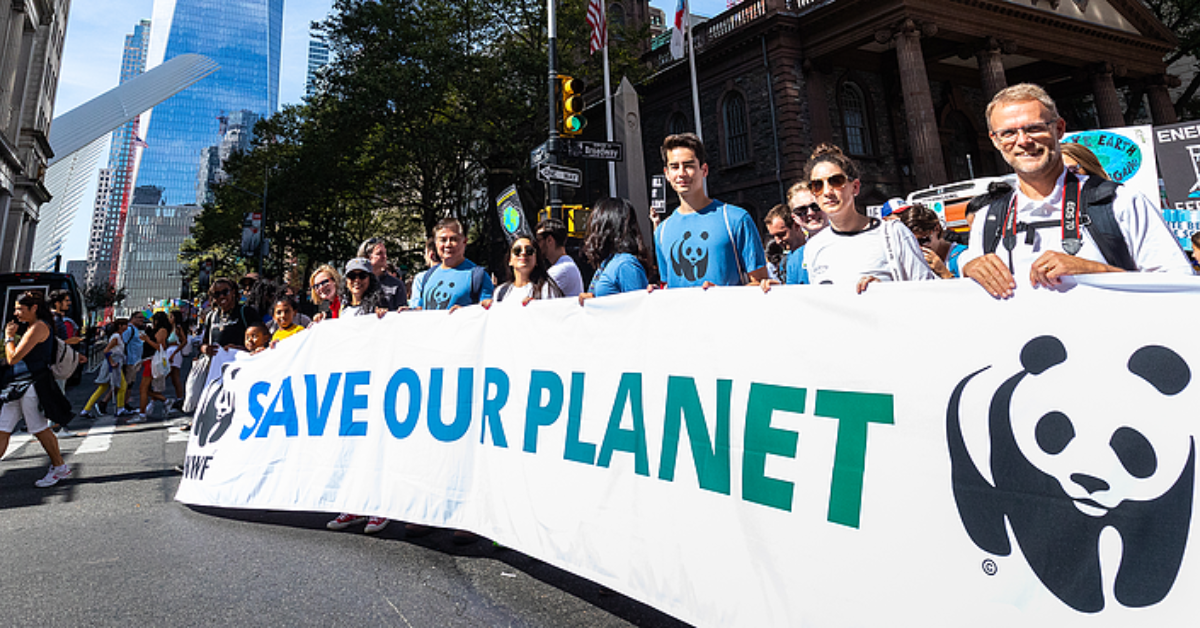

The race to protect our planet’s biodiversity and combat the climate crisis has never been more urgent. As species face unprecedented threats and ecosystems strain under human pressure, the need for innovative, passionate conservation leaders is critical. For students and recent graduates dedicated to turning scientific knowledge and environmental passion into impactful action, securing a role within a preeminent organization is the ultimate career accelerator. These positions offer more than experience; they offer a chance to contribute to a tangible, global mission at a pivotal moment in history.
The World Wildlife Fund (WWF) Internship Program for 2026 represents a premier, highly competitive gateway into the world of international conservation. This position offers a rare combination of meaningful work on flagship environmental initiatives and a structured, remunerative package designed to support emerging professionals fully. Unlike unpaid or stipend-only roles, WWF’s commitment to providing great remuneration acknowledges the value of interns’ contributions and helps attract top-tier, diverse talent. Based within influential WWF offices or program hubs, interns gain direct exposure to cutting-edge science, policy advocacy, and community-based conservation strategies. This article provides a comprehensive, third-party analysis of the anticipated 2026 internship opportunities, delivering key insights and strategic application advice to help candidates succeed.
Background & Job Description
The World Wildlife Fund (WWF) is one of the world’s leading independent conservation organizations, active in nearly 100 countries. With a mission to stop the degradation of the planet’s natural environment and build a future where people live in harmony with nature, WWF focuses on six key areas: forests, oceans, freshwater, wildlife, food, and climate. Its work is grounded in science, involves local communities, and seeks to influence policy at the highest levels through collaboration with governments, businesses, and other NGOs.
The 2026 Internship Program is expected to be hosted across various WWF International and national office locations, such as Washington D.C., Gland (Switzerland), Nairobi, or Singapore. Interns are typically embedded within specialized teams like Conservation Science, Climate & Energy, Wildlife Conservation, Markets & Finance, or Corporate Partnerships. The core purpose of these internships is to support WWF’s strategic goals while providing the intern with profound professional development. An intern in this program is integrated as a contributing team member, working on projects that advance conservation outcomes, analyze environmental data, support campaign logistics, or engage with stakeholders, thereby fitting directly into WWF’s broader objective of creating a nature-positive world.
Key Responsibilities
Intern responsibilities will be substantive and vary by department, focusing on providing analytical, operational, and creative support to advance team objectives.
- Research & Data Analysis: Conducting literature reviews, spatial analysis (using GIS), or species/habitat data compilation. This research forms the scientific backbone for reports, policy briefs, and conservation planning, making it a critical and valued task.
- Project & Campaign Support: Assisting officers with the coordination of specific conservation projects or public advocacy campaigns. This may involve timeline management, organizing workshops or webinars, preparing presentation materials, and tracking deliverables against goals.
- Communications & Content Development: Supporting the creation of compelling content to communicate WWF’s work. Tasks can include drafting blog posts, social media content, newsletter articles, or assisting in the production of multimedia materials to raise awareness and engage supporters.
- Stakeholder Engagement & Administrative Support: Helping to coordinate meetings with partners, taking minutes, managing contact databases, and providing logistical support for events. This offers a foundational understanding of the collaboration essential to large-scale conservation.
- Reporting & Monitoring: Contributing to the preparation of internal progress reports, grant reports, or monitoring frameworks for conservation indicators. This experience provides crucial insight into the accountability and impact measurement processes of a global NGO.
World Wildlife Fund (WWF) Internship Program 2026: Launch Your Conservation Career with a Leading Global NGO and Competitive Remuneration
Qualifications
WWF seeks bright, motivated individuals who are not only academically accomplished but also deeply aligned with its mission and capable of working in a dynamic, international environment.
Education & Certification
- Required: Current enrollment in, or recent graduation from (within 12-24 months), an accredited Bachelor’s or Master’s degree program. Relevant fields include Environmental Science, Biology, Ecology, Conservation, Environmental Policy, International Relations, Sustainable Development, or Communications.
- Preferred: A Master’s degree candidate or graduate is highly advantageous for research and policy-oriented roles. Certifications in specialized areas like GIS (e.g., Esri certification), project management (PMP, PRINCE2), or specific scientific methodologies can distinguish an application.
Experience
- Demonstrated interest in conservation through academic coursework, research projects, volunteer work, or previous internships is essential. Experience working or studying in a multicultural setting is strongly valued.
- Specific skills required include excellent written and verbal communication in English, strong analytical abilities, and proficiency in Microsoft Office Suite.
- Technical competencies that are highly sought after include experience with Geographic Information Systems (GIS) software (e.g., ArcGIS, QGIS), statistical analysis packages (R, SPSS), data visualization tools, content management systems, and social media platforms for advocacy. Proficiency in a second language relevant to WWF’s key regions (e.g., Spanish, French, Portuguese, Mandarin, Swahili) is a significant asset.
Why Apply for This Position?
An internship with WWF is a transformative career investment with benefits that extend well beyond its duration. The competitive remuneration package itself signals a professional respect for your work, allowing you to focus fully on the experience without financial strain—a rarity in the conservation sector.
The career growth opportunities are unparalleled. You will build a network with some of the world’s foremost conservation scientists, policy experts, and communicators. This network can open doors to future roles not only within the vast WWF network but also with other NGOs, intergovernmental bodies like the UN Environment Programme, government agencies, and sustainable businesses. The WWF brand on your resume carries significant weight and is recognized globally for excellence and impact.
Furthermore, the learning experience is uniquely comprehensive. You will gain insight into how large-scale conservation strategies are designed, funded, and implemented. You’ll see how science informs policy, how partnerships are negotiated, and how campaigns mobilize public action. This systems-level view is invaluable and difficult to obtain elsewhere. The work provides a profound sense of purpose and impact, knowing your daily efforts contribute directly to protecting endangered species, preserving vital ecosystems, and combating climate change.
Application Tips & Insights
To navigate the competitive selection process, a strategic and polished application is non-negotiable.
- Demonstrate Mission Alignment with Specificity: Your cover letter must go beyond a generic love for nature. Reference a specific WWF initiative (e.g., their work on tigers in the Amur-Heilong landscape, sustainable finance, or the Forest and Climate team). Explain how your skills can contribute to that specific area. For example: “My GIS analysis skills, honed during my capstone project mapping mangrove loss, align directly with the objectives of WWF’s Oceans team to identify priority areas for blue carbon ecosystem restoration.”
- Quantify Achievements and Highlight Technical Skills: On your resume, use metrics. Instead of “assisted with research,” write “Compiled and analyzed a dataset of 500+ tracking points for seabird populations, contributing to a published paper on migration corridors.” Front-load your technical proficiencies (GIS, R, statistical analysis) and language skills.
- Avoid Common Pitfalls: The most frequent mistakes include submitting a generic application, failing to follow specific instructions (like word counts for responses), and having errors in the materials. Also, avoid overly sentimental language; maintain a tone of professional competence and evidence-based passion.
- Understand the Interview Process: Be prepared for a multi-stage process: a phone screening, a potential technical task (e.g., a short writing sample, data analysis exercise, or presentation), and a virtual or in-person panel interview with team members. Research WWF’s latest Living Planet Report and be ready to discuss its findings and implications.
- Prepare Insightful Questions: In the interview, ask questions that show strategic thinking, such as: “Can you describe how the intern’s success on [specific project] will be measured?” or “How does this team collaborate with WWF’s network offices in the field to ensure local context is integrated?”
Additional Information
- Salary/Benefits: This is a paid internship with great remuneration. The compensation package is designed to be competitive and typically includes a monthly salary or stipend commensurate with the cost of living in the internship location, significantly exceeding standard academic stipends. Additional benefits often include professional development allowances, access to internal training, networking events, and sometimes contributions to local transportation.
- Work Arrangement: Positions are likely to be hybrid, combining onsite work at a WWF office with remote flexibility, depending on the team’s function. Onsite presence is encouraged for mentorship and immersion in the organizational culture.
- Contract Duration: Internships are typically full-time and last for a fixed period of 3 to 6 months, with some possibilities for extension based on project needs and performance.
- Application Deadline: Deadlines will be specific to each position. For 2026 roles, major recruitment cycles are anticipated in Fall 2025 and Winter 2026. Candidates must monitor the careers portals diligently.
- Equal Opportunity: WWF is committed to creating an inclusive working environment and is an equal opportunity employer. It values diversity and welcomes applications from all backgrounds, including minority groups, indigenous peoples, and persons with disabilities.
How to Apply
All applications must be submitted through the official WWF career portal. Follow these steps meticulously:
- Locate the Official Portal: Visit the careers section of the WWF International website or the specific national organization website (e.g., WWF-US, WWF-UK) where the internship is based.
- Find the Opportunity: Use search terms like “Intern 2026,” “Internship,” “Graduate Program,” or filter by location (e.g., “Washington D.C.”, “Gland”). Read the specific posting carefully.
- Prepare Required Documents: Have ready an updated CV/Resume, a tailored cover letter, and possibly copies of academic transcripts, a writing sample, or a portfolio. Combine documents as instructed (usually PDF).
- Complete the Online Application: Fill out all fields in the digital application form accurately. Upload your documents. Ensure your email and phone number are correct.
- Submit Before the Deadline: Apply well in advance of the deadline. Technical issues can occur, so do not wait until the final hour. Save your application confirmation.
Official Application Link:
Frequently Asked Questions
Q: How competitive is the WWF internship program, and what truly makes an application stand out?
A: Extremely competitive, with hundreds of global applicants for a limited number of roles. Beyond strong grades, standout applications demonstrate a clear, specific intersection between the candidate’s unique skills (e.g., coding for conservation tech, economic analysis for sustainable finance) and a pressing need within WWF’s current strategy. A well-articulated, project-based idea of how you can contribute is more powerful than a general expression of interest.
Q: Does the ‘great remuneration’ cover relocation or housing costs for an international internship?
A: The stated remuneration is typically a salary/stipend meant to cover local living expenses. It rarely includes dedicated relocation or housing allowances. Candidates should budget accordingly and research the cost of living in the host city. Some offices may offer guidance or resources for finding accommodation but do not typically provide it directly.
Q: I’m interested in corporate sustainability. Are there internships at WWF that focus on engaging with the private sector?
A: Absolutely. WWF has robust teams dedicated to Markets, Finance, and Corporate Partnerships. Internships in these areas work on transforming commodity supply chains (e.g., palm oil, timber), promoting sustainable finance, or engaging with multinational companies on science-based environmental targets. These roles are ideal for business, economics, or environmental management students.
Q: Is field research experience a prerequisite, even for policy or communications internships?
A: Not a prerequisite, but it is a strong asset. For any conservation role, demonstrating an understanding of the on-the-ground realities and ecological principles is important. Even for communications, having direct experience that helps you authentically tell conservation stories (e.g., from volunteer wildlife monitoring) can be very persuasive.
Q: What is the organizational culture like at WWF for young professionals?
A: By most accounts, WWF fosters a culture of dedication, expertise, and collaboration. It is a large, complex organization, so navigating it requires proactivity. Interns who show initiative, seek feedback, and actively engage with their network find it to be a supportive environment for growth. The culture is professional and mission-driven, with a strong emphasis on scientific integrity.
Focus Keywords:
WWF Internship 2026, paid conservation internship, World Wildlife Fund careers, environmental internship, NGO internship with salary, wildlife conservation jobs, climate policy intern, GIS internship, sustainable development internship, competitive remuneration, WWF US internship, WWF International, conservation science, graduate program, biodiversity internship