
Introduction
At a critical juncture for our planet, where biodiversity loss and climate change are accelerating at unprecedented rates, the need for strategic, field-grounded coordination to implement nature-based solutions has never been more urgent. For professionals seeking to bridge global strategy with local action, finding a role that offers both tangible impact and a clear career trajectory within a top-tier environmental organization is paramount. The announcement of a Conservation International Coordinator position for 2026 represents a high-impact opportunity to become the operational engine behind some of the world’s most ambitious conservation projects. This is not an administrative role in the traditional sense; it is a pivotal, dynamic position designed to synchronize science, finance, policy, and community engagement to deliver measurable results for both nature and human well-being.
Conservation International (CI) is seeking a highly organized, diplomatically skilled, and mission-driven individual to fill this critical coordination function. The Coordinator position at Conservation International serves as the central nervous system for a specific programme, region, or initiative—such as the “Science to Action” pipeline, a regional marine protected area network, or a global initiative like the Critical Ecosystem Partnership Fund (CEPF). This role offers the unique chance to work at the intersection of cutting-edge conservation science, innovative finance (like carbon credits or blue bonds), and on-the-ground partnership, all within an organization that operates in over 30 countries.
Key benefits include a competitive salary within the environmental NGO sector, a comprehensive benefits package supporting holistic well-being, and unparalleled access to a global network of conservation leaders. What makes this position stand out is its strategic centrality. Coordinators are the linchpins who ensure that bold visions are translated into actionable plans, that donor commitments are met with rigorous reporting, and that field teams have the resources and information they need to succeed. For a professional passionate about systems, partnerships, and seeing projects through from conception to completion, this role is an ideal platform to build an influential career in global conservation.
ALSO CHECK: Multiple Associate Positions at Pratham 2026: Drive Grassroots Education Impact with Leading NGO
Table of Contents
Background & Job Description
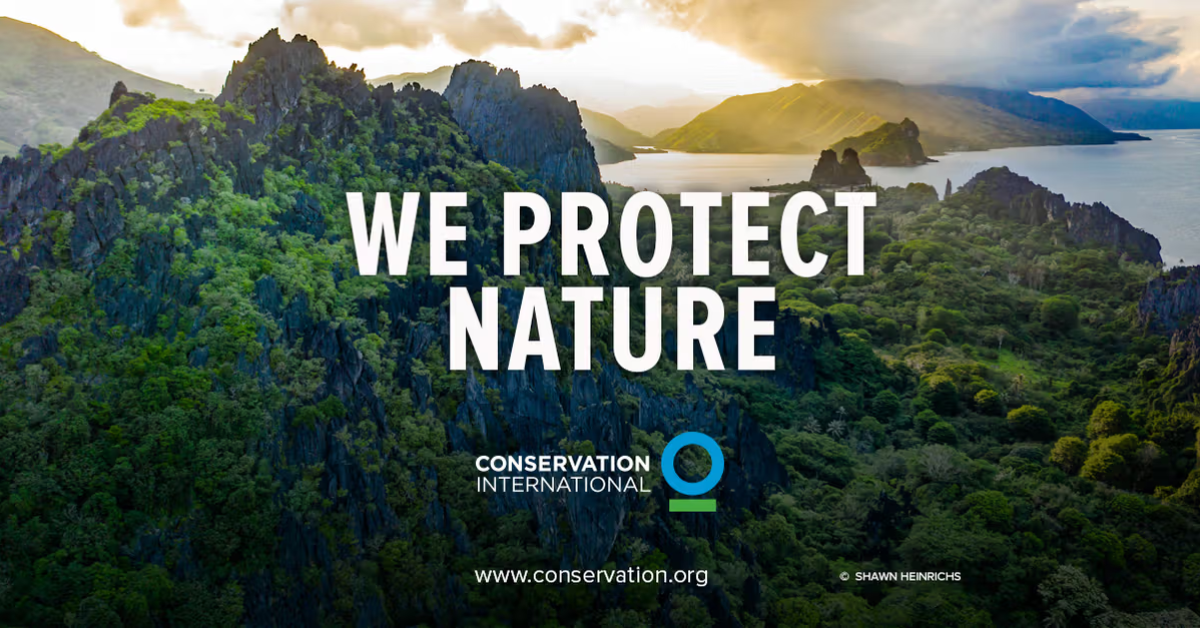
Conservation International is a global nonprofit dedicated to empowering societies to responsibly and sustainably care for nature, our global biodiversity, for the well-being of humanity. Grounded in rigorous science, partnership, and field demonstration, CI focuses on protecting critical ecosystems, promoting nature-based climate solutions, and fostering sustainable economic development. Its work spans oceans, forests, and freshwater systems, with a deep commitment to the rights and roles of Indigenous Peoples and local communities.
This Coordinator position for 2026 will be embedded within a specific division—such as the Center for Oceans, the Moore Center for Science, the Africa Field Division, or a thematic program like “Nature for Climate.” The role purpose is to provide comprehensive programmatic, operational, and financial coordination to ensure the efficient, effective, and compliant execution of conservation projects and initiatives. The Coordinator acts as the primary facilitator of workflow, information, and resources, enabling technical experts, scientists, and partnership managers to focus on their specialized work while ensuring alignment with CI’s strategic goals and donor obligations.
A Coordinator’s work is fundamental to CI’s reputation for excellence and accountability. By managing complex workplans, orchestrating multi-stakeholder meetings, synthesizing technical inputs into compelling reports, and tracking budgets against ambitious milestones, the Coordinator ensures that conservation impact is delivered systematically and transparently. This role is designed for a resourceful individual who thrives on bringing order to complexity and derives satisfaction from enabling collective success.
Key Responsibilities
The Coordinator’s duties encompass a holistic blend of project management, communication, and strategic support, all essential for programme integrity.
- Integrated Project Planning & Workflow Management: Develop, maintain, and track detailed integrated workplans and timelines for complex, multi-year projects. Coordinate inputs from science, policy, finance, and communications teams to ensure synchronized progress toward key milestones. This is the core function of translating strategy into executable action.
- Stakeholder Engagement & Meeting Facilitation: Serve as the primary logistical and substantive coordinator for internal and external meetings, workshops, and steering committees. This includes drafting agendas, compiling pre-read materials, taking detailed minutes, and tracking action items to completion. This responsibility ensures inclusive collaboration and clear decision-making pathways.
- Donor Reporting & Grant Compliance Coordination: Play a lead role in the timely and high-quality preparation of donor reports, proposals, and other stewardship materials. This involves collecting and synthesizing technical inputs from across teams, ensuring narrative and financial reports are aligned, and meticulously tracking compliance with all grant conditions and deadlines. This safeguards funding and builds donor confidence.
- Budget Monitoring & Financial Coordination: Work closely with finance staff to monitor project budgets, track expenditures, prepare financial reports, and process invoices and contracts. This provides a critical financial oversight layer, ensuring resources are deployed efficiently and in accordance with CI and donor policies.
- Knowledge Management & Communications Hub: Act as the central information manager for the initiative. Maintain organized digital filing systems (SharePoint/Teams), draft routine communications, prepare briefing materials for leadership, and help distill complex project outcomes into clear updates for internal and external audiences. This ensures institutional memory and clear messaging.
- Logistics & Operations Support for Field Activities: Coordinate complex logistics for field missions, workshops, and events, which may involve international travel, vendor contracts, and procurement. For field-based coordinators, this may include direct support to site-based operations and community engagement activities. This enables the smooth execution of critical in-person collaboration.
Conservation International Coordinator Position 2026: Orchestrate Global Impact for People and Planet
Qualifications
Education & Certification
- A Bachelor’s degree in Environmental Science, International Development, Business Administration, Communications, or a related field is required.
- A Master’s degree in Conservation, Project Management, Public Administration, or a related discipline is strongly preferred and often expected for competitive candidates.
- Professional certifications such as Project Management Professional (PMP), Certified Associate in Project Management (CAPM), or similar credentials are highly advantageous and demonstrate a formal commitment to the coordination discipline.
Experience
- A minimum of 3-5 years of progressively responsible experience in program coordination, project management, or operations, preferably within the international conservation, development, or nonprofit sector.
- Specific experience managing multi-donor grants, coordinating complex stakeholder processes (including with governments and NGOs), and working in a multicultural, matrixed organization is essential.
- Proven experience with budgeting and financial reporting is required.
- Type of Experience Needed:
- Direct experience supporting field-based conservation, climate, or sustainable development projects.
- Experience using project management software (e.g., Asana, Smartsheet, Microsoft Project) and CRM/database systems.
- Prior work in or with regions where CI is highly active (e.g., the Amazon, Africa, Asia-Pacific) is a significant asset.
- Technical Competencies:
- Exceptional Organizational and Systems-Thinking Skills: Ability to manage multiple parallel workstreams with precision.
- Superb Written and Verbal Communication: Fluency in English is required. Professional proficiency in Spanish, French, Portuguese, or Bahasa Indonesia is a major differentiator given CI’s geographic footprint.
- Advanced Proficiency in Microsoft Office 365 (especially Excel, PowerPoint, and SharePoint/Teams).
- Diplomatic Acumen and Emotional Intelligence: Ability to work effectively with diverse personalities, from scientists to community leaders to donor representatives.
Why Apply for This Position
Securing a Coordinator position at Conservation International in 2026 is a career-accelerating move into the upper echelons of global conservation practice. The role provides a unique panoramic view of how large-scale environmental initiatives are funded, managed, and scaled. You will develop a coveted skill set in cross-cultural project management, donor relations, and interdisciplinary synthesis that is highly transferable across the NGO, multilateral, and philanthropic sectors.
The professional growth trajectory is clear. Successful Coordinators often advance to Senior Coordinator, Programme Manager, or Partnership Manager roles within CI. The organization invests in talent development, offering access to leadership training and mentorship from seasoned conservation veterans. The networking potential is global, connecting you with CI’s extensive partner network, including governments, corporations, research institutions, and Indigenous organizations.
The impact of your work is enabling and multiplicative. By ensuring efficient operations, you directly increase the proportion of donor funds that reach the field. By facilitating clear communication, you strengthen partnerships that last for decades. The work culture is mission-driven, scientifically rigorous, and increasingly emphasizes justice, equity, diversity, and inclusion (JEDI) principles, offering a fulfilling environment where your operational skills are valued as critical to conservation success.
Application Tips & Insights
CI looks for candidates who combine impeccable organizational skills with a deep understanding of and passion for conservation’s interdisciplinary nature.
- Tailor Your Application to CI’s Model: Your resume and cover letter must demonstrate you understand CI’s science-to-policy-to-action pipeline. Use specific examples: “Orchestrated the reporting for a $2M multi-partner landscape project, synthesizing scientific monitoring data with community outcomes for a foundation report.” Mention familiarity with CI’s core “Nature for People” approach or key initiatives like “Heritage Colombia” or “The Ocean’s Edge.”
- Highlight Quantifiable Coordination Achievements: Move beyond “coordinated projects.” Use metrics: “Coordinated a 15-partner working group, resulting in a co-authored policy white paper adopted by the regional ministry,” or “Managed a portfolio of 12 concurrent grants with 100% on-time reporting compliance.” Emphasize your financial coordination experience with specific budget sizes.
- Avoid Common Mistakes: A generic project management application will fail. Do not underestimate the importance of conservation sector knowledge. Avoid using only corporate jargon; frame your skills within the context of partnership-driven, mission-oriented work. Proofread meticulously; attention to detail is non-negotiable.
- Timeline Expectations: The hiring process is thorough. After the application deadline, expect a screening call, potentially a written exercise (e.g., drafting a mock meeting agenda or summarizing a complex report), and 2-3 rounds of interviews with hiring managers, team members, and HR. The process can take 6-10 weeks from application to offer.
- Interview Preparation: Prepare for behavioral questions focused on stakeholder management, problem-solving in ambiguity, and handling competing priorities. Be ready to discuss your approach to coordinating a virtual team across multiple time zones. Research a current CI project in the division you’re applying to and be prepared to ask insightful questions about its challenges and coordination needs.
Additional Information
- Salary Range: Conservation International offers competitive salaries benchmarked against the nonprofit environmental sector. For a Coordinator position in 2026, the annual salary range in the United States is typically $55,000 – $75,000 USD. Salaries are adjusted based on the cost of labor in other countries (e.g., a Coordinator in Kenya or Peru would be on a locally competitive scale).
- Benefits Package: CI provides a robust, holistic benefits package that commonly includes:
- Comprehensive medical, dental, and vision insurance with low employee premiums.
- Generous paid time off (starting at 3-4 weeks vacation, plus sick leave, personal days, and holidays).
- Flexible work arrangements (hybrid or remote options, depending on role).
- 403(b) retirement plan with a significant employer match (often up to 8%).
- Professional development allowance (for courses, conferences, certifications).
- Paid parental leave and family planning assistance.
- Mental health and wellness resources, including an Employee Assistance Program (EAP).
- Work Arrangement: Positions may be based at a CI office (e.g., Arlington, VA, or a regional office) or be hybrid/remote, depending on the team’s structure. Some roles require occasional travel to field sites or partner meetings.
- Contract Duration: This is typically a regular, full-time employment position.
- Application Deadline: Adhere strictly to the deadline posted on the CI careers portal. Applications are usually reviewed on a rolling basis for the best candidates.
- Equal Opportunity Statement: Conservation International is an equal opportunity employer that values diversity, equity, and inclusion. It is committed to hiring and supporting a diverse workforce and provides equal consideration without regard to race, color, religion, gender, sexual orientation, national origin, disability, or age. CI has a strong institutional commitment to the rights of Indigenous Peoples and local communities.
How to Apply
All applications must be submitted through Conservation International’s official careers website.
- Locate the Vacancy: Use the search function to find “Coordinator” positions, filtering for the 2026 posting.
- Review Thoroughly: Read the complete job description, noting the specific division (e.g., “Center for Oceans,” “GEF Project Coordination”) and location.
- Prepare Required Documents:
- A tailored Resume/CV.
- A compelling Cover Letter.
- Any writing samples or work portfolios if requested.
- Complete Online Application: Create a profile on the CI recruitment portal and fill out the application form, uploading all documents.
- Official Application Portal: Apply only via the link provided in the official job posting on the conservation.org/careers website.
- Deadline Reminder: Submit your application early. The portal may experience high traffic near the deadline.
Frequently Asked Questions
1. Is this a field-based or headquarters-based role?
It depends on the specific posting. CI has “Program Coordinators” embedded in country offices (e.g., in Liberia or Bolivia) who work closely with field teams, and “Division Coordinators” based in global or regional hubs (e.g., Arlington, Singapore) who support thematic programs. The job description will specify the location and expected travel percentage (if any). Both types offer deep engagement but with different geographic focal points.
2. How does CI support the professional development of Coordinators?
CI has a strong learning culture. Coordinators typically have access to: an annual professional development stipend, internal training on topics like advanced project management or donor compliance, mentorship programs, and opportunities to participate in cross-divisional working groups. The organization often promotes from within, and the Coordinator role is recognized as a key feeder for management positions.
3. I have a background in business operations, not conservation. Can I transition via this role?
Yes, this is an excellent transition role. CI highly values transferable skills in project management, finance, and operations from other sectors. Your business acumen can bring valuable efficiency and strategic planning rigor. The key is to compellingly articulate in your application why you are making the transition to conservation and how your operational skills will solve specific challenges CI faces in scaling its impact.
4. What are the biggest challenges a Coordinator faces at CI?
The role navigates several complexities: Managing the interface between fast-paced internal teams and slower-moving external partners (like governments); ensuring alignment between ambitious scientific goals and practical budget/ timeline constraints; and coordinating across multiple time zones and languages. Success requires exceptional patience, clarity, and proactive communication.
5. Does CI use specific project management methodologies or software?
CI employs a pragmatic, hybrid approach to project management, often blending elements of traditional waterfall planning (for donor deliverables) with agile principles for internal teamwork. Common software includes Smartsheet and Microsoft Project for complex timelines, Salesforce for grants management, and the full Microsoft 365 suite (Teams, SharePoint) for collaboration. Familiarity with these or similar tools is a significant advantage.
Suggested Focus Keywords:
Conservation International coordinator 2026, CI jobs, conservation jobs, program coordinator NGO, environmental nonprofit careers, project management conservation, grant coordination, biodiversity jobs, climate change jobs, remote conservation jobs, Arlington VA jobs, international development coordinator, partnership management, NGO operations