
Organization: International Committee of the Red Cross (ICRC) / International Federation (IFRC) Location: Global Hubs (Geneva, Belgrade, Nairobi, Panama, Kuala Lumpur) Contract Type: Open-ended / Fixed Term (2026 Cycle) Department: Logistics and Administration
For administrative professionals who want their organizational skills to serve a higher purpose, the Travel Administrative Assistant role within the International Red Cross and Red Crescent Movement is a career-defining opportunity. In 2026, as humanitarian needs grow more complex, the movement seeks highly organized logistics professionals to ensure that aid workers, medical delegates, and crisis responders can reach the world’s most vulnerable regions rapidly and safely.
This position is the operational engine room of humanitarian response. When a crisis strikes—be it an earthquake, a conflict escalation, or a disease outbreak—it is the Travel Administrative Assistant who navigates the complex web of flight routes, visa restrictions, and security protocols to get the team on the ground.
Whether based in a Shared Services Center (like Belgrade or Manila) or a regional delegation (like Nairobi or Geneva), this role offers a stable, professional environment within one of the world’s most respected humanitarian networks. It combines the technical precision of corporate travel management with the moral imperative of saving lives.
Also check WWF Executive Assistant, Oceans 2026: Secure a High-Impact Role in Global Conservation ($78k-$98k)
Background & Job Description
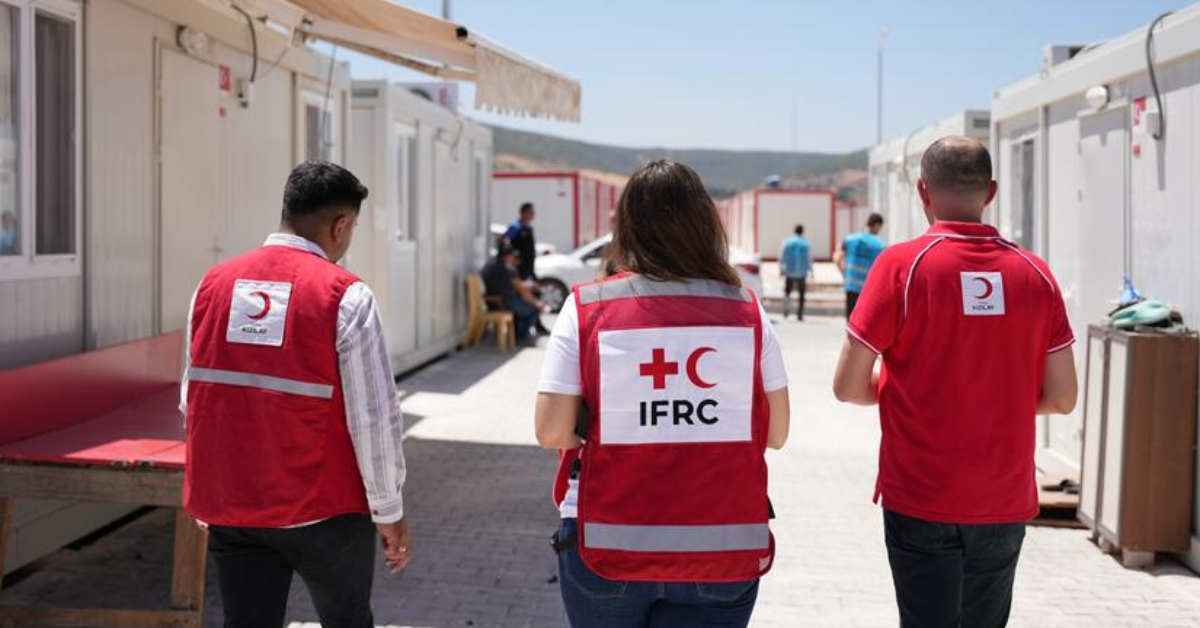
The International Red Cross and Red Crescent Movement is composed of three distinct parts: the ICRC (conflict response), the IFRC (disaster response), and 191 National Societies. Each entity relies on a massive, global supply chain of human expertise.
The Travel Administrative Assistant works within the Administration or Logistics unit. Unlike a standard corporate travel agent who focuses solely on cost, you will focus on access and security. You are responsible for the “Beginning of Mission” (BoM) logistics for new staff, the complex rerouting of teams in volatile zones, and the meticulous management of visa paperwork that allows aid to cross borders.
In 2026, this role has evolved to include a stronger focus on sustainable travel (carbon footprint tracking) and digital compliance (using AI-driven travel tools). You will bridge the gap between high-level diplomatic travel needs and the practical realities of moving staff through conflict zones.
Key Responsibilities
This is a high-volume, high-stakes administrative role. Your daily tasks will directly impact the speed of humanitarian deployment.
- Travel Management & Booking:
- Manage end-to-end travel bookings (flights, rail, accommodation) for staff using Global Distribution Systems (GDS) like Amadeus or Sabre, ensuring compliance with the Movement’s travel policy.
- Coordinate “Beginning of Mission” (BoM) and “End of Mission” (EoM) travel for delegates, often involving complex multi-leg itineraries into hard-to-reach areas.
- Handle last-minute cancellations and re-routings due to security incidents or border closures, requiring 24/7 availability during emergencies.
- Visa & Immigration Compliance:
- Liaise with embassies, consulates, and ministries of foreign affairs to process visas, residency permits, and diplomatic ID cards.
- Maintain an up-to-date database of entry requirements for various nationalities, acting as the internal expert on border regulations.
- Administrative & Financial Support:
- Verify and process travel-related invoices from travel agencies and hotels, ensuring accuracy before submission to Finance.
- Monitor travel budgets and suggest cost-saving measures without compromising staff safety.
- Maintain digital traveler profiles in the ERP system (e.g., Oracle/PeopleSoft), ensuring all medical clearances and security training certificates are valid prior to travel.
- Guest & Welcome Services:
- Coordinate airport pickups and welcome packages for arriving international staff.
- Manage accommodation bookings for workshops, conferences, and high-level meetings.
International Red Cross and Red Crescent Movement Travel Administrative Assistant 2026
Qualifications
The Red Cross Movement seeks candidates who can remain calm under pressure and manage details with forensic accuracy.
Education & Certification
- Education: A professional diploma or university degree in Tourism, Business Administration, Logistics, or a related field.
- IATA Certification: An IATA/UFTAA Foundation or Consultant diploma is a strong asset.
Experience
- Professional Experience: Minimum 2–3 years of experience in business travel management, preferably within a travel agency, international organization, or multinational company.
- Technical Proficiency:
- Mandatory knowledge of GDS (Amadeus/Sabre).
- Proficiency in Microsoft Office 365 (Excel, SharePoint, Teams).
- Experience with ticketing tools and travel management software (e.g., CWT, Egencia).
Languages
- English: Fluent (C1/C2 level) is mandatory as it is the working language of the Movement.
- Second Language: A strong command of French is highly desirable (often mandatory for ICRC roles). Knowledge of Spanish, Arabic, or Russian is a significant asset depending on the hub location.
Core Competencies
- Service Orientation: A “problem-solver” attitude, ready to assist stressed travelers with empathy.
- Resilience: Ability to handle high-pressure situations (e.g., mass evacuations) without losing attention to detail.
Why Apply for This Position
1. Stability with Purpose While field roles can be short-term and volatile, Administrative Assistant roles in Hubs or HQ are often long-term, open-ended contracts. You get the stability of a corporate job—regular hours, office environment—while contributing to a mission that matters.
2. World-Class Training The Red Cross Movement invests heavily in its staff. You will receive training on security protocols, international humanitarian law, and advanced logistics systems. It is a recognized training ground for future Logistics Officers and Administrators.
3. Global Mobility Potential Starting as a Travel Assistant is a common entry point. Many staff move from administrative roles into Logistics Coordinator, HR, or Finance roles within the organization, often transferring to different country delegations later in their careers.
4. Competitive Compensation Package
- Salary: Benchmarked against the top tier of the local market (e.g., highly competitive for Belgrade/Nairobi standards).
- 13th Month Salary: Often included in standard contracts.
- Benefits: Generous health insurance, pension contributions, and between 25 to 30 days of annual leave.
Application Tips & Insights
1. Highlight “GDS” Skills Immediately The screening process is often technical. If you know Amadeus, Galileo, or Sabre, put this in bold in your skills section. This is a hard requirement that can get you shortlisted instantly.
2. Showcase “Crisis Management” In your cover letter, give an example of a time you handled a travel emergency. Did you rebook a cancelled flight at 2 AM? Did you navigate a complex visa issue for a VIP? The Red Cross needs to know you don’t panic when plans change.
3. Address the “Movement” Context Show that you understand who you are applying to. Mention your admiration for the Fundamental Principles (Humanity, Neutrality, Impartiality). If applying to the ICRC, mention your interest in conflict support; if IFRC, mention disaster relief.
4. Language Skills are Key If you speak French, Spanish, or Arabic, do not hide it at the bottom of your CV. These languages are critical operational tools for the Red Cross.
Additional Information
- Location Strategy: Most of these roles are “Resident” or “National” positions, meaning you must already have the legal right to work in the country where the job is based (e.g., a Serbian national for the Belgrade hub). However, they occasionally open as “Mobile” roles for senior coordinators.
- Work Arrangement: Typically Hybrid (e.g., 3 days office / 2 days home), though full operational presence may be required during major crises.
- Start Date: The 2026 recruitment cycle typically begins in Q4 2025, with onboarding in January/February 2026.
How to Apply
- Visit the Career Portals:
- ICRC Careers:
careers.icrc.org - IFRC Jobs:
ifrc.org/jobs
- ICRC Careers:
- Search: Use keywords like “Travel,” “Welcome Service,” or “Logistics Assistant.”
- Create Profile: You will need to create a profile on the respective talent management system (SuccessFactors or similar).
- Upload Documents: Submit a CV (max 2 pages) and a Motivation Letter.
- Assessments: Be prepared for a technical test involving a travel booking simulation or an Excel competency test.
Frequently Asked Questions
Q: Can I work remotely from another country? A: generally, no. Administrative roles usually require you to be in the country of employment to handle physical passports, visa stamps, and in-person coordination with embassies.
Q: Is this a volunteer position? A: No. This job post is for a paid staff position with full salary and benefits. While the Red Cross has volunteers, “Administrative Assistant” roles in Hubs/HQ are professional, salaried careers.
Q: Do I need experience in the humanitarian sector? A: Not necessarily. Experience in a corporate travel agency (CWT, BCD Travel) or an airline is often valued just as highly for this specific role, as the technical skills (ticketing/booking) are the same.
Q: What is the difference between ICRC and IFRC for this role? A:
- ICRC: More focus on conflict zones, stricter security protocols, potentially more complex visa work for “sensitive” regions.
- IFRC: More focus on natural disasters, coordinating large groups of delegates for emergency surge deployments.