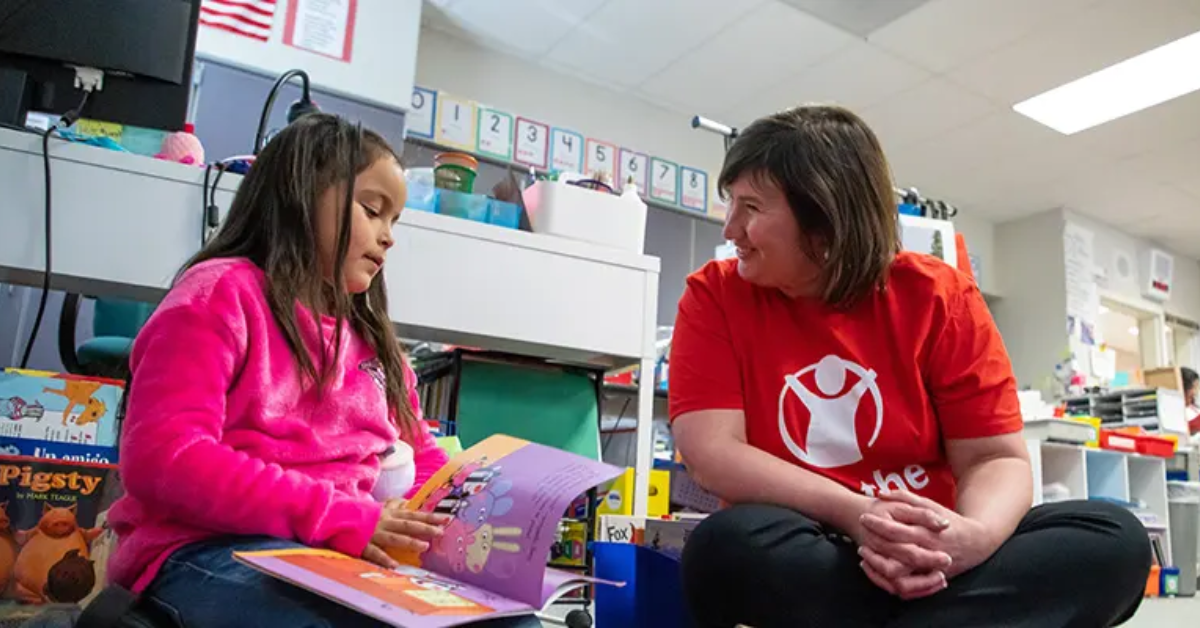

In the modern humanitarian landscape, good intentions are not enough; impact must be measured, proven, and scaled. Save the Children is currently recruiting a Research and Evaluation Officer for 2026, offering a rare blend of rigorous academic work and real-world application. Notably, this position is advertised with Hybrid/Remote flexible working options, making it highly attractive for data professionals seeking work-life balance without compromising on purpose.
This role sits at the intersection of data science and child rights. As part of the Monitoring, Evaluation, Accountability, and Learning (MEAL) team, the successful candidate will ensure that the organization’s programs—ranging from emergency nutrition in conflict zones to education initiatives in urban centers—are backed by robust evidence.
For researchers who want to move beyond the theoretical and see their data change lives, this is a defining opportunity. You will enjoy the autonomy of a flexible schedule while contributing to one of the world’s leading independent organizations for children.
Also check International Red Cross and Red Crescent Movement Travel Administrative Assistant 2026
Background & Job Description
Save the Children operates in over 100 countries to ensure children survive, learn, and are protected. To do this effectively, the organization relies on a sophisticated “Evidence and Learning” agenda.
The Research and Evaluation Officer is the technical engine behind this agenda. Reporting typically to the Head of MEAL or the Senior Research Advisor, this role is responsible for designing studies, managing data collection, and—crucially—translating complex statistics into actionable insights for program managers.
This position fits into broader organizational goals by ensuring “Quality Programming.” Whether it is a Randomized Control Trial (RCT) to test a new reading intervention or a qualitative study on youth mental health, your work will determine where funding is directed and how strategies are adapted. The flexible/hybrid nature of the role reflects Save the Children’s commitment to modernizing its workforce and focusing on output rather than office presence.
Key Responsibilities
The Research and Evaluation Officer will balance technical desk work with collaborative program support. Key duties include:
- Research Design & Management:
- Lead the design of baseline, midline, and endline evaluations for large-scale grants.
- Develop rigorous research protocols, including sampling strategies and ethical review board (ERB) applications.
- Oversee external consultants and enumerators during data collection phases to ensure quality control.
- Data Analysis & Visualization:
- Clean and analyze large datasets using statistical software (e.g., SPSS, Stata, R, or Python).
- Transform raw data into compelling visual dashboards using PowerBI or Tableau to help non-technical stakeholders track progress in real-time.
- Learning & Knowledge Management:
- Organize “Learning Events” to disseminate research findings to internal teams and external partners (donors, government ministries).
- Synthesize “Lessons Learned” documents to ensure that mistakes are not repeated in future projects.
- Capacity Building:
- Train field staff on mobile data collection tools (e.g., KoboToolbox, CommCare) and basic data ethics.
Save the Children Research and Evaluation Officer 2026: Hybrid/Remote Role with Flexible Working
Qualifications
This is a technical role requiring a solid grounding in social research methodologies.
Education & Certification
- University Degree: A Master’s degree (preferred) or Bachelor’s in Statistics, Demography, Social Sciences, Development Studies, or Economics.
- Certification: Specialized training in M&E (Monitoring and Evaluation) or Data Science is highly desirable.
Experience
- 3–5 Years Experience: Proven experience in conducting quantitative and qualitative research in the development or humanitarian sector.
- Technical Stack:
- Advanced proficiency in Excel and at least one statistical package (SPSS/Stata/R).
- Experience with mobile data collection platforms (ODK/Kobo).
- Strong skills in data visualization (PowerBI).
- Research Ethics: A deep understanding of ethical protocols regarding data collection with children (safeguarding and consent).
Core Competencies
- Analytical Thinking: The ability to spot trends and anomalies in complex datasets.
- Communication: The ability to explain “p-values” and “confidence intervals” to program staff in plain English.
Why Apply for This Position
1. Genuine Flexibility Save the Children has championed “Agile Working.” This role allows you to structure your day around your productivity peaks. Whether you work from home three days a week or operate fully remotely (within the country of employment), the focus is on deliverables, not face time.
2. High-Level Technical Exposure You will not just be entering data; you will be designing the architecture of evidence. This role offers the chance to work on high-profile evaluations that may be published in academic journals or presented at global conferences.
3. Impact at Scale Your findings could lead to a change in how a $10 million grant is implemented, potentially improving the lives of thousands of children. The “feedback loop” from your data to real-world action is short and visible.
4. Competitive NGO Benefits Save the Children typically offers a comprehensive benefits package, including a contributory pension scheme, generous annual leave (often 30 days), and family-friendly policies that align with the flexible nature of the role.
Application Tips & Insights
1. Show Your “Data Storytelling” Skills Don’t just list the software you know. In your cover letter, describe a time you took a confusing dataset and turned it into a clear chart that changed a decision. “Data Storytelling” is the buzzword of 2026.
2. Highlight “Remote Collaboration” Tools Since this is a hybrid/remote role, mention your proficiency with Microsoft Teams, Zoom, Miro, or Trello. Show the hiring manager that you can manage projects and keep teams aligned without being in the same room.
3. Address “Child Safeguarding” in Research When discussing your research experience, explicitly mention how you handled ethical considerations. Did you ensure anonymity? did you get informed assent from children? This shows you understand the specific risks of researching with vulnerable groups.
4. Portfolio If you have public examples of dashboards, infographics, or evaluation reports you have written, include links in your CV. Visual evidence of your skills is powerful.
Additional Information
- Contract Type: Full-time, Permanent (or Fixed Term depending on grant funding).
- Salary: Competitive (benchmarked against the local NGO market).
- Location: Hybrid (Office base in the capital city) or Remote (Home-based within the country). Note: You usually must have the legal right to live/work in the country where the post is advertised.
- Travel: Expect occasional travel (10-20%) to field sites for data quality checks or training, even if the role is primarily remote.
How to Apply
- Visit the Portal: Go to the Save the Children International Careers page or the specific Member website (e.g., Save the Children UK, Save the Children US).
- Search: Use keywords “MEAL,” “Research,” or “Evaluation.”
- Apply Online: Upload your CV and a tailored Cover Letter.
- Assessments: Be prepared for a technical test involving an Excel dataset analysis or a critique of a Terms of Reference (ToR) for an evaluation.
Frequently Asked Questions
Q: Can I apply from a different country? A: Generally, no. “Remote” in the NGO sector usually means “Remote within the country of registration.” You need to be a resident or have work authorization in the specific country (e.g., UK, Kenya, Zimbabwe) to be on the payroll, unless it is a specifically advertised “Global Roving” role.
Q: Is statistical software knowledge mandatory? A: For a “Research and Evaluation Officer” title, yes. If you only know Excel, you might be better suited for a “MEAL Assistant” or “Data Entry” role. This position requires advanced analysis.
Q: What does “Hybrid” mean for Save the Children? A: It typically means you are expected to come into the office 1-2 days a week for collaborative meetings, while working from home the rest of the time. However, many teams negotiate “fully remote” weeks with monthly office visits.