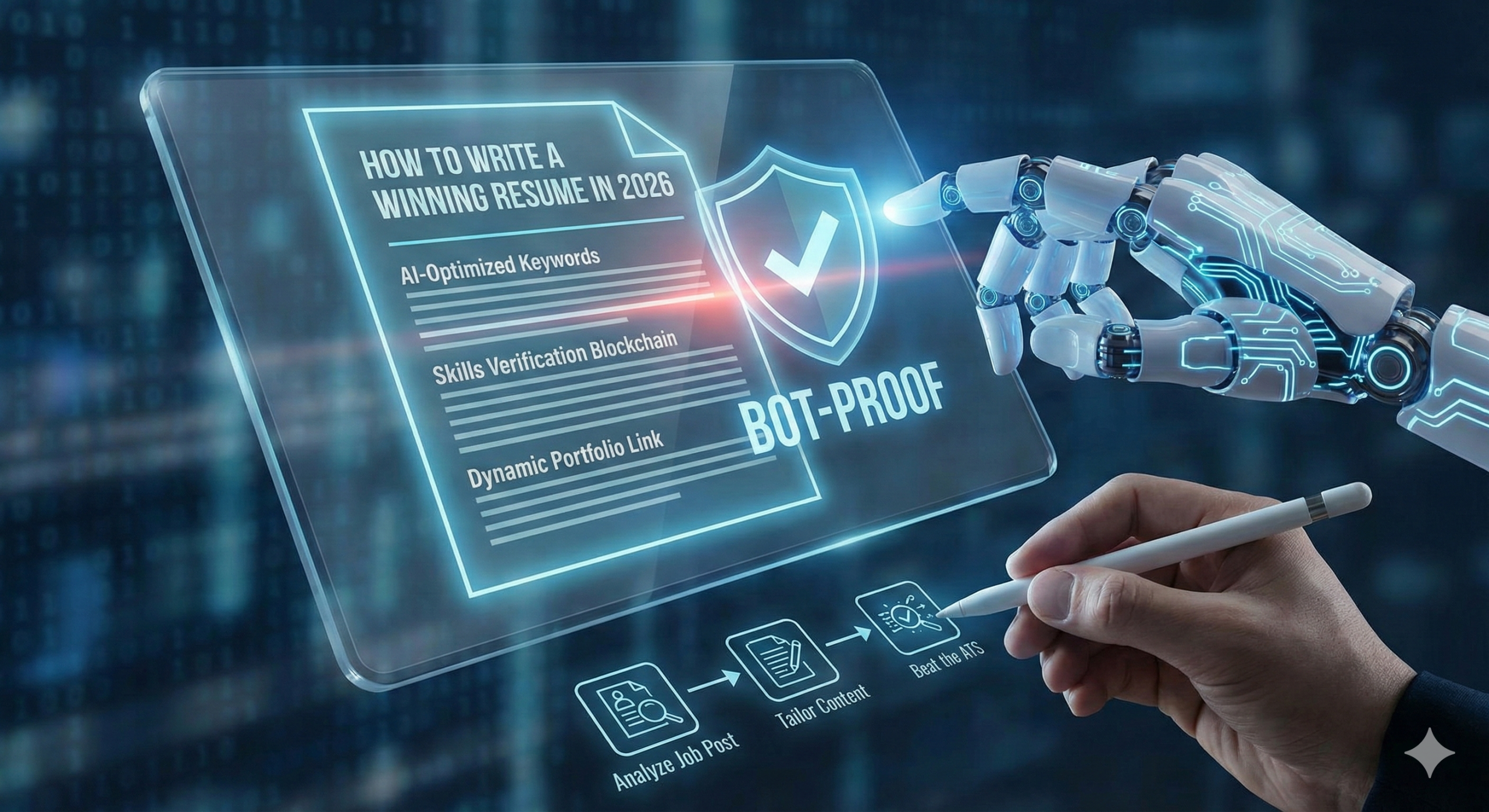

Understanding how to write a winning resume in 2026 is the single most critical skill for navigating the brutal job market, especially when facing the advanced algorithms of modern Applicant Tracking Systems.
The landscape of recruitment has fundamentally shifted. We are no longer dealing with simple keyword matching; we are battling machine learning models trained to identify specific contextual competencies. The challenge isn’t just about listing your past jobs; it is about framing your experience in a way that aligns with the semantic search queries used by both bots and human recruiters. Your document is now a data file, and optimizing it for machine readability while retaining human appeal is the new standard.
If you are looking for specialized roles, such as NGO positions, you might also find value in reviewing the specific skills required. For instance, the landscape for NGO roles is specific and competitive, requiring a tailored approach to document preparation.
Also check Essential UNESCO Internship Programme 2026: Apply for this High-Impact Role
Table of Contents
Background & Job Description
To truly master how to write a winning resume in 2026, you must first understand the anatomy of a modern job description. Recruiters are no longer looking for generalists; they are looking for “solutions” to specific organizational problems. When you look at a vacancy, you are seeing a list of symptoms the company needs cured. Your resume is the prescription.
In this context, the role of a professional has evolved. You are not just a “Project Manager” anymore; you are a “Strategic Asset Optimizer.” The terminology used in how to write a winning resume in 2026 must shift from task-based (e.g., “Responsible for managing a team”) to outcome-based (e.g., “Orchestrated a 15-person cross-functional team to deliver a 20% reduction in overhead costs”).
The current industry standard demands that your professional profile addresses the pain points of the employer before they even pick up the phone. If your document fails to articulate the value you bring within the first six seconds of scanning, you have lost the opportunity. The methodology of how to write a winning resume in 2026 relies heavily on this immediate value proposition.
The Insider’s Perspective
Having reviewed thousands of applications as a hiring manager, I can tell you that the average time spent on a single resume is roughly 7.4 seconds. This isn’t because recruiters are lazy; it’s because the volume of applications is overwhelming. We scan for patterns, specific metrics, and relevant keywords that match the role’s core requirements.
“The best resumes I see don’t just list where you worked; they tell a story of problem, action, and result. They are data-rich narratives that make the hiring decision easy.”
When you are crafting your document, imagine you are the hiring manager. Would you hire the candidate based on the information presented? If there are gaps, vague descriptions, or generic soft skills, the answer is likely no. The secret to how to write a winning resume in 2026 is to eliminate the generic and replace it with the hyper-specific.
Key Responsibilities
When structuring your professional experience, you must mirror the responsibilities of the role you are targeting. This does not mean lying; it means aligning your past experiences with the future needs of the employer. Here is how to structure these sections effectively:
- Quantifiable Achievements: Move beyond descriptions. Instead of saying “Managed a budget,” say “Oversaw a $500k annual budget, reducing waste by 12% through strategic vendor renegotiations.”
- ATS Optimization: Ensure your job titles and skill descriptions match the standard industry terminology. If the job description asks for “Client Relationship Management,” do not write “Customer Support” unless they are synonymous in your specific context.
- Leadership & Collaboration: Demonstrate your ability to work in modern, often remote, environments. Highlight specific tools (Slack, Asana, Jira) and methodologies (Agile, Scrum) you utilized.
- Problem Solving: Dedicate a section of your resume to complex problems you have solved. This shows critical thinking, which is a high-value trait in 2026.
Qualifications
Employers are increasingly skeptical of generic degrees without demonstrated application. The qualification section of your resume must bridge the gap between academic theory and practical execution.
Qualifications for How to Write a Winning Resume in 2026
To be considered for top-tier roles in 2026, your profile must include specific qualifications that demonstrate adaptability and technical literacy. The days of listing “Microsoft Word” as a skill are over. Modern candidates must showcase:
- Digital Fluency: Proficiency in data analysis tools (Excel, SQL, PowerBI) and collaboration platforms.
- Continuous Learning: Certifications from reputable sources (Coursera, LinkedIn Learning, Google Certificates) that validate current skills.
- Industry-Specific Knowledge: Deep understanding of the specific sector you are applying to, including regulatory knowledge or market trends.
- Soft Skills Evidence: Rather than listing “Communication,” describe a scenario where your communication skills saved a project or improved team morale.
Why Apply for This Position
Applying for a role in 2026 is about strategic career movement. It is not just about a paycheck; it is about finding a position that offers longevity and growth. The market is shifting toward specialized niches where generalists struggle to compete.
When you learn how to write a winning resume in 2026, you are gaining the ability to apply for positions that were previously out of reach. By tailoring your document to specific job descriptions, you demonstrate to the employer that you have done your research and you are genuinely invested in their mission. This level of personalization significantly increases your chances of securing an interview.
Furthermore, the roles available today often offer hybrid flexibility and benefits that extend beyond compensation. A well-crafted application opens doors to organizations that value output over hours clocked, providing a better work-life balance.
Financial Information & Benefits
While specific salary data depends on the industry, understanding the financial implications of a winning resume is crucial. Candidates who effectively market their skills using the principles outlined in how to write a winning resume in 2026 often command higher starting salaries.
Standard benefits for professional roles in 2026 typically include:
- Competitive Base Salary: Often benchmarked against industry standards using data analytics.
- Performance Bonuses: Tied to clear KPIs and deliverables.
- Health & Wellness: Comprehensive packages including mental health support.
- Retirement Contributions: 401(k) or equivalent matching programs.
- Professional Development: Budgets allocated for upskilling and certification renewal.
How to Apply
Success in the job market requires more than just sending out applications; it requires a strategic approach. Once you have perfected your document using the steps for how to write a winning resume in 2026, you must ensure it is delivered to the right channels.
Target companies that match your skill set and values. Use the networking channels available to you, and ensure your online presence (LinkedIn, portfolio websites) is consistent with the narrative you present in your resume. Consistency across platforms builds trust with recruiters.
Frequently Asked Questions
Q1: Should I include a photo on my resume in 2026?
Generally, no. In most professional markets (US, UK, Canada), including a photo can lead to unconscious bias and may violate anti-discrimination hiring laws. Stick to a text-only professional format unless you are in a creative field where a headshot is standard.
Q2: How long should my resume be?
For most professionals with under 10 years of experience, one page is sufficient. For those with extensive leadership experience, two pages are acceptable. The key is conciseness; every line must add value.
Q3: Is the cover letter dead?
No, but it has evolved. It is now a “value proposition letter.” It should not summarize your resume but rather explain why you are the specific solution to the company’s current challenges.