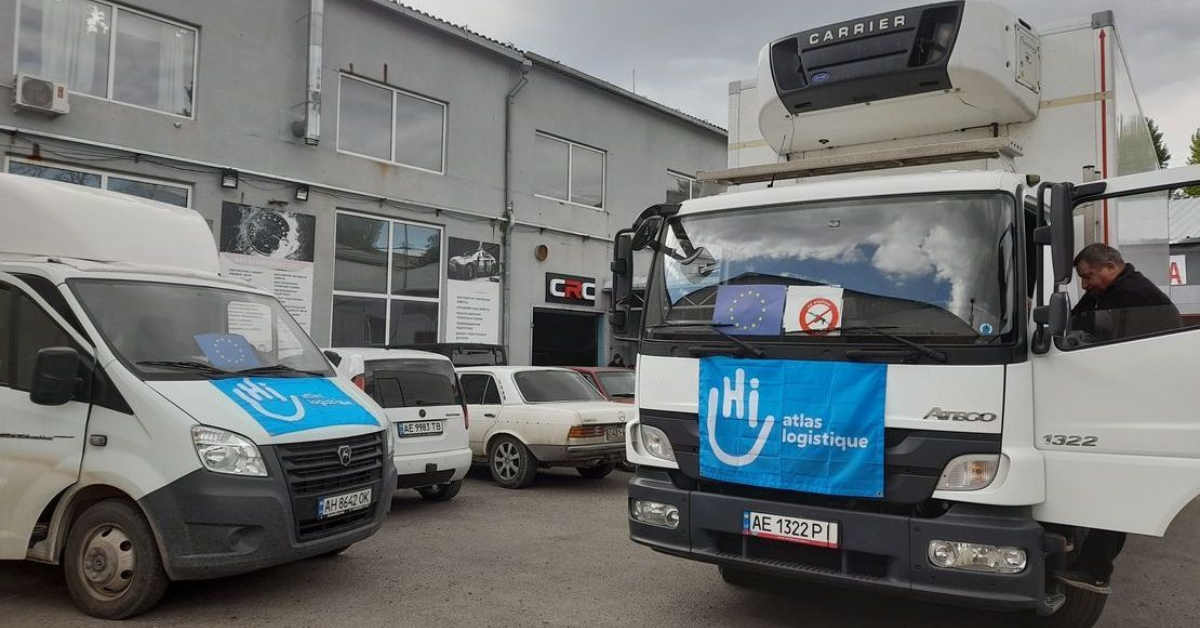

The humanitarian landscape in 2026 demands more than just traditional aid; it requires a specialized, inclusive approach that ensures no one is left behind. Handicap International (Humanity & Inclusion – HI), a co-recipient of the Nobel Peace Prize, is currently expanding its global workforce to meet the rising challenges of conflict, climate displacement, and systemic exclusion. For professionals seeking a career that merges technical expertise with a profound social mission, these upcoming vacancies represent some of the most impactful roles in the non-profit sector today.
This position offers a unique chance to join an organization that has spent over 40 years advocating for the rights of people with disabilities and vulnerable populations. Whether you are a specialist in rehabilitation, logistics, or inclusive humanitarian action, HI provides a platform to implement sustainable changes in over 60 countries. The 2026 recruitment drive is particularly significant as the organization transitions into its new strategic phase, emphasizing agile emergency response and innovative demining technologies.
Working with HI in 2026 is not just about filling a vacancy; it is about joining a movement that values humanity, inclusion, commitment, and integrity. The organization is seeking dedicated professionals who can navigate complex international environments while maintaining a high standard of accountability. With competitive international packages and a robust support system for staff wellbeing, these roles are designed for those ready to lead on the global stage.
ALSO CHECK: Human Rights Watch Internship 2026: Forge Your Career in Global Advocacy
Table of Contents
Background & Job Description
Handicap International, now known globally as Humanity & Inclusion (HI), is an independent and impartial aid organization. Its mission is to intervene in situations of poverty, exclusion, conflict, and disaster. By working alongside people with disabilities and vulnerable groups, HI takes action to meet essential needs, improve living conditions, and promote respect for fundamental rights.
In 2026, the organization is strengthening its regional divisions, particularly in East Africa, Middle East, and South Asia. These roles fit into a broader organizational goal: to maximize the impact of humanitarian aid by ensuring it is accessible to those with the greatest barriers to service. The teams work in a multidisciplinary environment, often collaborating with local governments and international bodies like the United Nations to implement long-term development and immediate emergency relief.
Key Responsibilities
The specific duties vary by role, but the core responsibilities across HI’s 2026 openings focus on high-level coordination and technical excellence:
- Strategic Leadership: Defining and implementing operational action plans (StratOp) that align with HI’s global 2026 strategy.
- Technical Oversight: Ensuring all activities—from physical rehabilitation to inclusive education—comply with international technical norms and standards.
- Resource Management: Acting as a budget holder to ensure all expenditures are transparent and optimized for the greatest field impact.
- Team Development: Line-managing project staff, setting individual objectives, and fostering a culture of professional growth and psychological safety.
- External Representation: Promoting HI’s mandate to institutional donors, partners, and local authorities to secure funding and advocacy support.
- Data & Quality Control: Implementing MEAL (Monitoring, Evaluation, Accountability, and Learning) frameworks to measure project outcomes accurately.
Multiple Handicap International Career Opportunities 2026: Leading Global Inclusion and Humanitarian Excellence
Qualifications
Education & Certification
- Master’s Degree in International Development, Social Sciences, Public Health, Logistics, or a field related to the specific vacancy.
- Professional Certification in Project Management (e.g., PMP, Prince2) or specialized technical certifications (e.g., Rehabilitation, Mine Action).
- Fluency in English and/or French is typically required, with additional languages (Arabic, Spanish, or Portuguese) considered a strong asset for specific regions.
Experience
- Years of Service: Typically 3–7 years of experience in the humanitarian sector, with at least 2 years in a management or coordinating role.
- Domain Expertise: Proven track record in disability inclusion, emergency response, or managing institutional funding (e.g., USAID, ECHO, FCDO).
- Technical Competencies: Advanced skills in budget management, humanitarian security protocols, and inclusive policy development.
Why Apply for This Position
Applying for a role at Handicap International in 2026 offers benefits that extend far beyond a paycheck. As the global focus shifts toward disability-inclusive disaster risk reduction, HI sits at the forefront of policy-making.
- Professional Prestige: Working for a Nobel Peace Prize-winning NGO adds significant weight to your professional profile, opening doors to senior leadership roles in the UN and other international NGOs.
- Global Networking: You will collaborate with a diverse network of experts across 60+ countries, building connections that span the globe.
- Specialized Skill Development: HI provides specific training pathways in inclusive management, ensuring you become a leader who knows how to foster diversity in high-stress environments.
- Tangible Social Impact: Unlike many corporate roles, your daily tasks directly contribute to a child receiving their first prosthesis or a community being cleared of explosive remnants of war.
Application Tips & Insights
To stand out in the 2026 recruitment cycle, candidates should look beyond the basic requirements:
- Tailor Your Impact: Don’t just list your duties. Highlight quantifiable results (e.g., “Managed a $2M budget with 98% efficiency” or “Increased beneficiary reach by 25% through inclusive mapping”).
- Highlight Soft Skills: HI values empathy and resilience. Use your cover letter to describe a time you adapted to a complex cultural or security challenge.
- Focus on Inclusion: Even if you are applying for a Finance or Logistics role, demonstrate your understanding of disability rights and why inclusive aid matters.
- Prepare for Competency-Based Interviews: HI often uses the STAR method (Situation, Task, Action, Result). Practice examples that show you embody their values of Integrity and Humanity.
Additional Information
- Salary Range: Competitive international rates starting from approximately €3,000 to €5,000 gross/month for management roles, plus per diems (ranging from €400 to €700 depending on location).
- Benefits Package: Includes medical coverage (50-100% contribution), repatriation insurance, pension schemes, and hardship allowances (up to €250/month in specific zones).
- Work Arrangement: Most field roles are onsite, but certain regional management positions offer hybrid or remote coordination options (e.g., roles based in Nairobi or Brussels).
- Contract Duration: Generally 12 to 24 months, with possibilities for extension or internal mobility within the HI Federation.
- Equal Opportunity Statement: HI is committed to diversity and inclusion, particularly encouraging applications from persons with disabilities and women in leadership.
Frequently Asked Questions
1. Does Handicap International hire people without prior humanitarian experience? While field roles usually require 2+ years of experience, HI does offer internships and entry-level junior specialist roles at their headquarters in Lyon or Brussels for those with strong academic backgrounds in relevant fields.
2. Is there support for staff mental health in high-conflict zones? Yes. HI is known for its “health pathway,” which includes access to online training for stress management and burnout prevention, alongside professional psychological support for staff in the field.
3. Can I apply if I have a disability? Absolutely. Inclusion is HI’s core value. They actively encourage applications from persons with disabilities and provide reasonable accommodations during the recruitment process and throughout employment.
4. What is the difference between an International and a National contract? International contracts are managed by HQ and involve mobility between countries. National contracts are for residents of the country where the project is based and follow local labor laws and salary scales.
Suggested Focus Keywords:
Handicap International jobs 2026, Humanity & Inclusion careers, NGO vacancies Africa, humanitarian project manager jobs, disability inclusion careers, rehabilitation specialist vacancy, international aid jobs, Nobel Prize NGO careers, inclusive humanitarian action, humanitarian logistics 2026.