
Introduction
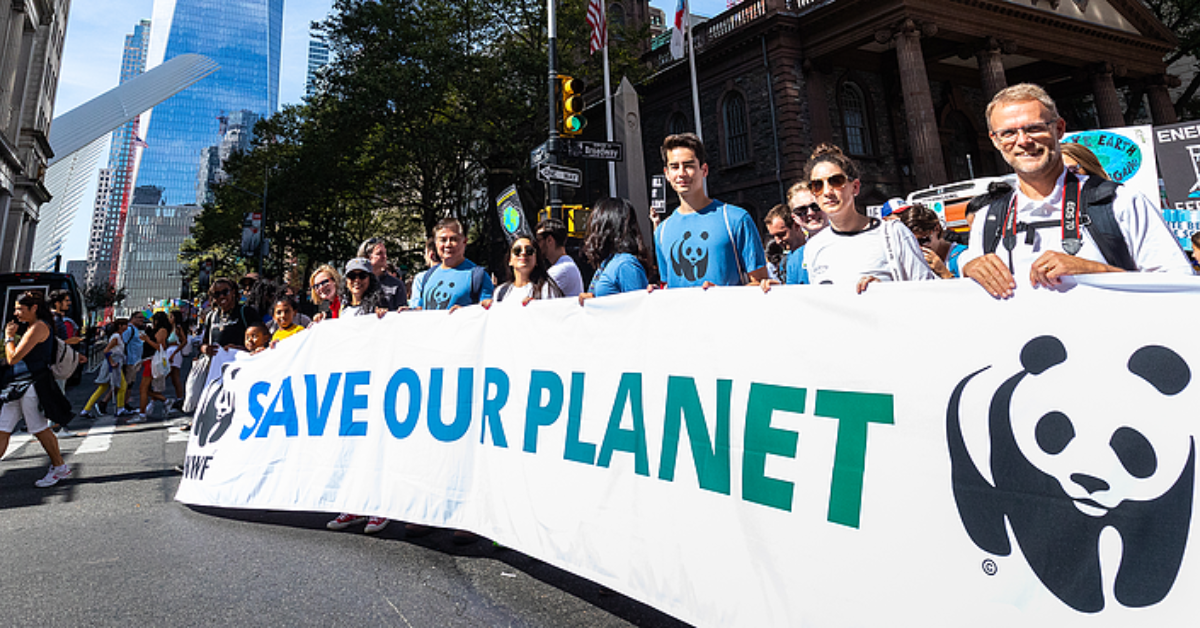
In the decisive decade for climate and nature, transforming global markets and corporate behavior is no longer a niche interest—it is an existential imperative. For the next generation of sustainability leaders, understanding how to leverage the scale and influence of the private sector is a non-negotiable skill. The announcement of Remote WWF Private Sector Paid Internships for 2026 represents a groundbreaking opportunity for graduate students worldwide to gain frontline experience with one of the world’s most trusted conservation organizations, all while working remotely. This is not a typical internship; it is an immersive apprenticeship in the strategies and tools used to engage, challenge, and partner with corporations to create a nature-positive future.
The World Wide Fund for Nature (WWF) is seeking intellectually curious, analytically sharp, and strategically-minded graduate students to join its Private Sector Engagement teams. These remote, paid internships are designed to provide substantive, project-based work that contributes directly to WWF’s ambitious goals of decarbonizing supply chains, eliminating deforestation, promoting sustainable finance, and advancing circular economy models. Operating fully remote, these positions break down geographic barriers, allowing talented students from diverse backgrounds to contribute to a global mission.
The defining feature of this opportunity is the competitive and transparent compensation: $22.50 per hour for current graduate students, at 35 hours per week. This commitment to paid, professional-level remuneration underscores WWF’s dedication to equitable access and values the critical contributions of interns. For graduate students seeking to pivot their careers into corporate sustainability, ESG (Environmental, Social, and Governance), or conservation finance, this internship provides an unparalleled credential, practical experience, and a powerful professional network—all from your own workspace.
ALSO CHECK: Women for Women International Internship 2026: Empower Your Career by Supporting Survivors of War
Table of Contents
Background & Job Description
WWF is one of the world’s leading conservation organizations, working in nearly 100 countries to halt the degradation of the planet’s natural environment and build a future in which people live in harmony with nature. Recognizing that business and finance are among the most powerful levers for change, WWF’s Private Sector Engagement (PSE) teams work to embed sustainability at the core of corporate strategy, using a mix of science-based advocacy, market transformation initiatives, and strategic partnership.
These 2026 remote internships will be hosted within specific PSE programs, such as Climate & Business, Forests & Agriculture, Oceans, Finance, or Corporate Sustainability Research. The role purpose is to support senior specialists and directors in analyzing corporate practices, developing engagement strategies, researching policy landscapes, and creating tools or reports that drive measurable improvements in corporate environmental performance. Interns will be integrated into active workstreams, gaining a 360-degree view of how a global NGO influences the private sector.
An intern’s work, while supervised, is designed to be meaningful and impactful. By conducting research on corporate ESG disclosures, benchmarking industry practices, supporting the development of sustainability guidance, or analyzing data for high-profile reports like the Living Planet Report, interns contribute directly to the evidence base and strategic direction of WWF’s corporate work. This program is an investment in cultivating the next generation of professionals who can speak the language of both conservation and commerce.
Key Responsibilities
Internship projects are crafted to be deliverable-focused, providing clear learning objectives and tangible outcomes.
- Corporate & Sectoral Research & Analysis: Conduct in-depth research on specific companies, industry sectors (e.g., fast-moving consumer goods, apparel, finance), or commodity supply chains (palm oil, soy, beef). Analyze corporate sustainability reports, ESG ratings, and commitments (e.g., net-zero pledges) to assess performance and identify gaps. This builds foundational expertise in corporate sustainability benchmarking.
- Policy & Market Initiative Tracking: Monitor and synthesize developments in key sustainability regulations (e.g., EU Deforestation Regulation, SEC climate disclosure rules), voluntary standards (e.g., SBTi, TNFD), and multi-stakeholder initiatives (e.g., Consumer Goods Forum). Prepare briefs and summaries for the team to inform engagement strategies. This provides critical insight into the evolving external landscape that shapes corporate behavior.
- Tool & Resource Development Support: Assist in the creation or refinement of practical tools for corporate audiences. This could include helping to develop case studies, drafting sections of guidance documents for science-based targets for nature, or contributing to datasets that track corporate action on specific issues. This develops skills in translating complex science into business-accessible formats.
- Stakeholder Engagement & Meeting Support: Participate in (and sometimes document) internal and external meetings with corporate partners, coalitions, or other NGOs. Assist in preparing presentation materials, talking points, and post-meeting summaries. This offers a rare fly-on-the-wall view of high-level sustainability dialogues and partnership dynamics.
- Data Management & Visualization: Collect, clean, and help analyze quantitative and qualitative data related to corporate environmental footprints or market trends. Create clear charts, graphs, and slides to visualize findings for internal or external reports. This hones essential data literacy and communication skills.
- Knowledge Management & Communications: Help organize and maintain internal knowledge repositories on private sector topics. May also support external communications by drafting social media content, blog posts, or newsletter updates related to private sector achievements and challenges.
Qualifications
Education & Certification
- Current Enrollment as a graduate student (Master’s or PhD level) is a strict requirement. Applicants must be actively enrolled in a degree program for the duration of the internship.
- Relevant Field of Study is essential. Ideal programs include: Business Administration (MBA with sustainability focus), Environmental Management, Sustainability, Environmental Policy, Corporate Social Responsibility (CSR), Economics, or International Development.
- Preferred Coursework: Demonstrated academic focus on corporate sustainability, sustainable finance, ESG, supply chain management, or environmental economics.
Experience
- While extensive professional experience is not expected, demonstrated interest and foundational competency are critical.
- Type of Experience Needed:
- Prior internship, volunteer, or academic project experience related to sustainability, business, policy, or research.
- Experience analyzing complex information and synthesizing it into clear written products.
- Familiarity with major corporate sustainability frameworks (e.g., GRI, SASB, TCFD) is a significant plus.
- Technical Competencies:
- Advanced Research and Analytical Skills: Ability to conduct rigorous, source-based research.
- Superior Writing and Communication Skills: Professional fluency in English is required. Additional language skills are a bonus.
- Data Proficiency: Strong skills in Microsoft Excel; familiarity with data analysis or visualization software (e.g., Tableau, Power BI, R, Python) is highly advantageous.
- Professional Demeanor: Ability to work effectively on a remote, distributed team, demonstrating initiative, time management, and proactive communication.
Why Apply for This Position
Securing a remote WWF Private Sector Internship in 2026 is a strategic investment with exceptional returns. The competitive hourly wage of $22.50 treats you as a professional, covering living expenses and valuing your intellectual contribution—a rarity in the conservation internship landscape. In terms of career capital, this experience is a gold-standard credential that signals to employers in consulting, corporate sustainability, ESG investing, and NGOs that you possess practical, high-level insight into the intersection of business and environment.
The unique learning experience is immersive. You will gain a nuanced understanding of the “carrots and sticks” used to drive corporate change, from investor pressure to consumer campaigns to regulatory risk. The networking potential is global and elite, connecting you with WWF’s network of sustainability experts, corporate partners, and alumni who now lead in various sectors. Working remotely for a global organization also teaches invaluable skills in digital collaboration and self-management.
The impact of your contribution, while as part of a larger team, is connected to tangible outcomes. The research you compile could inform a strategy to engage a major bank on climate policy. The analysis you support could be used in a high-profile report that shifts market discourse. The work culture is intellectually stimulating, mission-driven, and professionally supportive, offering a challenging yet nurturing environment to test and grow your skills.
Application Tips & Insights
The application process will be highly competitive due to the pay, prestige, and remote nature of the role. A standout application must demonstrate both academic excellence and professional potential.
- Tailor Your Application with Precision: You must specify your area of interest within Private Sector Engagement (e.g., sustainable finance, food & markets, climate). Your cover letter should demonstrate a clear understanding of WWF’s private sector work—mention a specific corporate partnership (e.g., with HSBC, IKEA, Coca-Cola) or initiative (e.g., the Science Based Targets Network) and explain why it interests you. Connect your graduate studies directly to the internship’s potential projects.
- Highlight Analytical and Business-Relevant Skills: Beyond a passion for the environment, emphasize analytical rigor, business acumen, and strategic thinking. Provide concrete examples: “For my capstone, I conducted a materiality assessment for a hypothetical retailer, applying SASB standards…” or “I analyzed 50 corporate net-zero pledges for consistency with SBTi criteria.” Show you can operate at the nexus of data, strategy, and sustainability.
- Avoid Common Mistakes: The most fatal error is a generic application about “saving animals.” This is a corporate-facing, strategy-focused role. Avoid vague statements; be specific about tools, frameworks, and business concepts. Not demonstrating an understanding of the private sector as a lever for systemic change (rather than just a source of pollution) will weaken your application.
- Timeline Expectations: For summer 2026 internships, applications will likely open in Fall 2025 or early Winter 2026. The process is selective and may involve a written exercise (e.g., a short analysis of a corporate sustainability report) after an initial screening. The full process from application to offer can take 8-12 weeks.
- Interview Preparation: If shortlisted, prepare for a case-based or scenario interview. You might be asked: “How would you approach researching the deforestation risks in a company’s supply chain?” or “What are the key challenges in engaging the financial sector on biodiversity loss?” Be ready to discuss current trends in ESG and demonstrate your critical thinking.
Additional Information
- Compensation: $22.50 (USD) per hour. Interns are paid as temporary employees for a 35-hour work week. The total compensation will depend on the internship duration (typically 10-12 weeks in summer, or 15-20 weeks during academic semesters).
- Benefits for Temporary Employees: As an hourly intern, you typically would not be eligible for standard employee benefits like health insurance or 401(k). However, the compensation is designed to be all-inclusive. Some programs may offer a small stipend for home office setup or professional development.
- Work Arrangement: This is a fully remote internship. Interns must have a suitable home workspace and reliable high-speed internet. WWF will provide a laptop and necessary software licenses. Collaboration happens through platforms like Microsoft Teams, Zoom, and SharePoint.
- Internship Duration: Standard durations are:
- Summer: 10-12 weeks (full-time, 35 hrs/week).
- Academic Semester (Fall/Spring): 15-20 weeks (part-time or full-time, often negotiated around class schedules).
- Application Deadline: Deadlines are strict and will be prominently advertised on WWF’s careers site. Early application is strongly recommended.
- Equal Opportunity Statement: WWF is committed to creating a diverse and inclusive workplace. It is an equal opportunity employer and does not discriminate based on race, color, religion, gender, gender identity, sexual orientation, national origin, disability, or age. WWF actively seeks applicants from diverse backgrounds.
How to Apply
Applications are submitted exclusively through WWF’s official careers portal.
- Find the Opportunity: Visit the WWF Careers Page. Navigate to the internships section and search for “Private Sector Internship” or “Corporate Engagement Intern.”
- Select Your Focus: Carefully read the descriptions for any available 2026 private sector internships to identify the best fit for your skills and interests.
- Prepare Required Documents: These typically include:
- A current Resume/CV.
- A tailored Cover Letter.
- Unofficial graduate school transcripts.
- A writing sample (e.g., a research paper, policy brief, or case study analysis, 3-5 pages).
- Complete Online Application: Create an account on the WWF application portal, fill out the form, and upload all documents.
- Official Application Page: Apply only via the link in the specific internship posting on the official worldwildlife.org/careers website.
- Deadline Reminder: Submit your application well before the deadline to ensure full consideration.
Frequently Asked Questions
1. As a remote intern, how will I be integrated into the team and mentored?
WWF has developed robust remote onboarding and mentorship protocols. You will be assigned a direct supervisor and often a peer buddy. Integration includes virtual meet-and-greets, weekly one-on-one check-ins, participation in all relevant team meetings via video call, and access to internal training resources. The culture is intentionally inclusive to ensure remote interns feel connected and supported.
2. I am an international graduate student studying in the U.S./abroad. Am I eligible to apply?
Eligibility can be complex for international students. For U.S.-based internships, you must have the legal right to work in the United States for the duration of the internship (e.g., through CPT/OPT for F-1 students). WWF typically does not sponsor visas for internships. The job description will state work authorization requirements clearly. For interns based outside the U.S., local labor laws apply.
3. Can this internship lead to a full-time job at WWF?
While there is no guarantee, a successful internship is one of the primary pathways to entry-level employment at WWF, especially within the Private Sector Engagement teams. It allows you to demonstrate your skills, work ethic, and cultural fit. Many current WWF staff began as interns. Performing exceptionally and building a strong internal network significantly increases your chances of being considered for open positions.
4. What kind of projects might I work on? Give a concrete example.
A past intern project example: “Developed a benchmark analysis of the climate transition plans of 20 major global banks, assessing alignment with the Net-Zero Banking Alliance principles. Findings were synthesized into a briefing memo used by the Finance team to prioritize engagement strategies and were incorporated into a public-facing report on financial sector climate action.”
5. How is the work-life balance as a remote intern, given the global nature of WWF?
The team is respectful of boundaries. While there may be occasional early or late meetings to accommodate colleagues in different time zones, your core hours will be based on your local time and agreed upon with your supervisor. WWF promotes a culture of flexibility and wellbeing, expecting interns to manage a full-time (35 hr/week) schedule responsibly, not an around-the-clock one.
Suggested Focus Keywords:
WWF private sector internship 2026, remote paid internship, corporate sustainability internship, ESG internship, conservation finance internship, WWF remote jobs, graduate student internship, $22.50 per hour internship, private sector engagement, sustainable business internship, climate and business, NGO remote internship, WWF careers